Seeing the code P1495 check engine light on your dashboard can be frustrating, especially if the car seems to drive perfectly fine. This specific diagnostic trouble code usually points to a malfunction in the leak detection pump solenoid circuit within your vehicle's evaporative emission control system. Ignoring this warning might lead to failed state smog tests or mask other underlying fuel vapor problems that need attention.
What exactly triggers the P1495 engine code?
The evaporative emission system, commonly called the EVAP system, prevents raw fuel vapors from escaping into the atmosphere. A key component in many vehicles is the leak detection pump, which pressurizes the system to check for leaks. When the powertrain control module detects an open or shorted condition in the pump's electrical circuit, it triggers the code P1495 check engine light. Getting a clear picture requires understanding the root cause behind this specific fault code rather than just guessing which part failed.
Which vehicles commonly experience this EVAP issue?
You will typically see this diagnostic trouble code in Chrysler, Dodge, Jeep, and some Mitsubishi models manufactured between the late 1990s and mid-2000s. Vehicles like the Jeep Cherokee, Dodge Dakota, and Chrysler PT Cruiser frequently use this specific leak detection pump design. Because the technology is older, aging wiring harnesses and brittle plastic connectors often contribute to the failure.
What symptoms accompany this emission fault?
Aside from the illuminated dashboard warning, you might notice a few subtle changes in how the vehicle runs. While the code P1495 check engine light is primarily an emissions issue, it can occasionally affect engine performance.
- A rough or inconsistent idle when the car is stopped
- A noticeable smell of raw gasoline near the fuel tank or engine bay
- Failing an OBD2 emissions inspection at the DMV
- The gas pump nozzle clicking off repeatedly when trying to fill the tank
Is it safe to drive with a P1495 trouble code?
Yes, you can usually continue driving your car. This code does not indicate an immediate safety hazard that will leave you stranded on the highway. However, driving with an unresolved EVAP leak means your vehicle is releasing harmful hydrocarbons into the air. You should plan to address the issue before your next registration renewal to ensure you pass the required emissions testing.
How do mechanics test the leak detection pump circuit?
Diagnosing this problem requires checking both the electrical connections and the physical pump. Mechanics use a digital multimeter to test the solenoid for proper resistance and verify that the wiring harness is receiving adequate voltage. They also inspect the vacuum lines connected to the pump for cracks or disconnections. This step is critical when evaluating the exact electrical failures triggering the warning to avoid replacing parts that are actually working perfectly.
Common diagnostic mistakes to avoid
Many DIY mechanics make the mistake of simply tightening or replacing the gas cap when this code appears. A loose gas cap will trigger a different code, usually P0440 or P0455. Code P1495 specifically targets the solenoid circuit. Another common error is clearing the code with a scanner and assuming the problem is fixed. If the wiring remains damaged or the pump is internally shorted, the check engine light will return after a few drive cycles.
Practical steps to fix the issue
Fixing an EVAP system fault involves tracing the circuit from the computer to the pump. Finding a reliable method to resolve the electrical fault usually saves you from unnecessary parts replacements. If you plan to print out wiring diagrams from your factory service manual to trace the solenoid circuit, using a highly legible typeface like Roboto ensures you can easily read the small component labels.
- Locate the leak detection pump, which is usually mounted near the fuel tank or charcoal canister under the vehicle.
- Disconnect the electrical connector and inspect the pins for corrosion, moisture, or bent terminals.
- Use a multimeter to measure the resistance across the solenoid pins and compare the reading to the manufacturer's specifications.
- Check the wiring harness running back to the powertrain control module for any chafing, rodent damage, or melted insulation.
- Replace the leak detection pump assembly if the internal solenoid fails the resistance test and the wiring is intact.
Your immediate action checklist
Before taking your vehicle to a shop, run through these quick checks to gather useful information about your situation:
- Scan the vehicle with an OBD2 reader to confirm P1495 is the only active code.
- Look underneath the rear of the car to ensure the wiring harness near the fuel tank is securely plugged in.
- Check for obvious physical damage to the vacuum hoses routed to the emission canister.
- Write down any specific driving conditions when the light first turned on to share with your mechanic.
 Code P1495 Engine Error Details
 Code P1495 Repair Solution Details
 Code P1495 Vehicle Diagnostic Details
 Code P1495 Car Trouble Details
 Vehicle Diagnostic Code P1495 Meaning
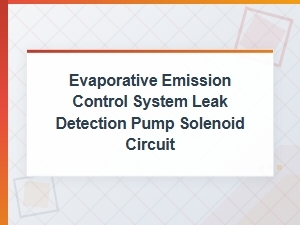 P1495 Code Definition and Explanation