When an OBD-II scanner reads vehicle diagnostic code P1495, it points directly to a problem with the Leak Detection Pump (LDP) solenoid circuit. Your car uses this pump to pressurize the fuel system and check for evaporative emissions leaks. When the computer detects an electrical or mechanical failure in this circuit, it triggers the code to let you know the emissions test cannot run properly. Ignoring this code means your vehicle will fail a state smog inspection and continue releasing fuel vapors into the environment.
What exactly does code P1495 mean for your car?
The evaporative emission control system, commonly called the EVAP system, prevents raw fuel vapors from escaping into the atmosphere. A key component in many Chrysler, Dodge, and Jeep models is the leak detection pump. If you want to understand the specific wiring and circuit details behind this issue, you can read more about how this specific electrical fault triggers the warning light. Essentially, the engine control module tries to activate the pump solenoid. If the voltage is too high, too low, or the circuit is entirely open, the computer logs P1495.
When do drivers usually notice this problem?
You might not feel any difference in how the vehicle drives down the road. The most common symptom is simply an illuminated check engine light. However, you might notice a faint smell of gasoline near the rear of the car or struggle to pass an emissions test. Sometimes, a cracked vacuum hose near the pump can cause a rough idle alongside the code. Mechanics often find that troubleshooting this code requires checking the physical pump and its associated wiring harness for corrosion, broken pins, or physical damage.
What causes the leak detection pump circuit to fail?
Several different issues can trigger this specific trouble code. The leak detection pump itself might have an internal electrical short due to age and exposure to the elements. Rodents chewing through the wiring harness under the car is another surprisingly common cause, especially in the winter. A blown fuse in the power distribution center can also cut power to the solenoid. Less frequently, the problem stems from a failing engine control module that is no longer sending the correct signals.
Common mistakes people make when fixing P1495
A frequent error is buying a brand-new leak detection pump right away. While a bad pump is a common culprit, replacing it will not fix an issue caused by a frayed wire or a blown fuse. Another mistake is simply clearing the code with a scanner and hoping it stays off. The EVAP monitor will run again after a few drive cycles, and the light will return if the electrical fault remains. If you are looking at the broader context of evaporative system failures, you will see that proper diagnosis always starts with testing the wiring before throwing parts at the car.
How to test the circuit yourself
Before ordering parts, locate the leak detection pump, which is usually mounted near the fuel tank or the charcoal canister under the vehicle. Check the electrical connector for green corrosion or loose pins. Use a digital multimeter to check for battery voltage at the harness when the ignition is turned on. You can also test the solenoid resistance to see if it falls within the manufacturer specifications. Many digital service manuals display these complex wiring diagrams using clean, readable typography like Roboto to ensure the small text on schematics is legible on a tablet in the garage.
Practical next steps to resolve the code
Follow this checklist to properly diagnose and fix the issue without wasting money on unnecessary parts:
- Visually inspect the wiring harness leading to the leak detection pump for chafing, melted insulation, or rodent damage.
- Check the related fuses in the under-hood power distribution center and replace any that are blown.
- Disconnect the pump connector and test for 12 volts with the key in the "on" position.
- Measure the resistance across the pump solenoid terminals using a multimeter to confirm the internal coil is intact.
- Replace the leak detection pump only if power and ground are present but the pump fails the resistance test.
- Clear the code and drive the vehicle through a full EVAP monitor drive cycle to verify the repair.
 What Does Code P1495 Mean
 Engine Error Code P1495 Meaning
 Troubleshooting Code P1495 Causes and Solutions
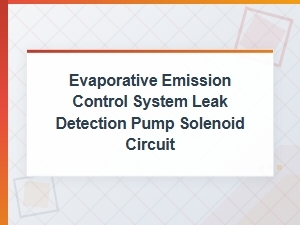 P1495 Code Definition and Explanation
 Code P1495 Vehicle Diagnostic Definition
 Meaning of Code P1495 Explained