Seeing engine error code P1495 on your OBD2 scanner means the powertrain control module has detected an electrical issue with the leak detection pump solenoid circuit. This matters because your vehicle's evaporative emission control system relies on this pump to pressurize the fuel system and check for vapor leaks. When the solenoid circuit fails, the car cannot run its self-tests, which immediately triggers the check engine light and guarantees you will fail a state emissions inspection.
What exactly does code P1495 mean?
The evaporative emission control system captures raw fuel vapors from your gas tank and routes them into the engine to be burned. To ensure no vapors escape into the atmosphere, the system uses a leak detection pump. The solenoid inside this pump opens and closes to seal the system during testing. If the computer cannot control the solenoid due to an open circuit, short, or internal failure, it sets the P1495 code. If you need more context on how this fault impacts your vehicle's emissions system, it helps to look at the specific wiring diagrams for your make and model, as this code is most common in Chrysler, Dodge, and Jeep vehicles.
What symptoms will you notice?
Unlike engine misfires or sensor failures that cause rough idling or stalling, a P1495 code rarely affects how the car actually drives. You will likely experience the following:
- Illuminated check engine light: This is usually the first and only sign.
- Failed emissions test: The testing equipment will not be able to communicate with a fully functional EVAP monitor.
- Other EVAP codes: You might also see codes like P0440 or P1494 stored in the computer memory alongside P1495.
What causes the leak detection pump solenoid circuit to fail?
Diagnosing electrical issues requires a process of elimination. Getting a better understanding of the solenoid circuit layout will show you exactly where the signal might be getting interrupted. The most frequent culprits include:
- Broken or corroded wiring: The leak detection pump is usually mounted underneath the vehicle near the fuel tank. This location exposes the wiring harness to road debris, water, and salt, leading to broken wires or corroded connectors.
- A faulty leak detection pump: The internal solenoid coil can burn out over time, causing an open circuit.
- Blown fuses: A short in the wiring can blow the fuse that supplies power to the pump.
- Bad ground connection: Rust or a loose bolt at the grounding point will prevent the solenoid from completing its circuit.
How do you fix a P1495 code?
The biggest mistake people make is replacing the leak detection pump immediately without testing the wires. Before buying new parts, mechanics usually check the voltage and ground signals at the pump connector using a digital multimeter.
Step-by-step diagnosis
- Clear the code with your OBD2 scanner and drive the car to see if it returns. Sometimes a temporary glitch causes a false alarm.
- Locate the leak detection pump under the car. Visually inspect the wiring harness for chewed wires, melted insulation, or heavy corrosion on the plug.
- Check the EVAP system fuses in the under-hood fuse box. Replace any blown fuses and look for the underlying short if it blows again.
- Disconnect the pump and use a multimeter to check the resistance of the solenoid. Compare your reading to the factory specifications.
- If the wiring has good power and ground but the solenoid fails the resistance test, replace the pump assembly.
When you are printing out factory wiring diagrams to trace the circuit, setting your document to a highly legible typeface like Montserrat makes reading the small pinout numbers much easier in the garage.
Next steps for dealing with a P1495 code
Ignoring an EVAP system code will not leave you stranded on the side of the road, but it will prevent your car from passing mandatory inspections. Follow this practical checklist to resolve the issue:
- Read all codes: Scan the vehicle to ensure P1495 is the primary electrical fault and not just a symptom of a larger wiring harness issue.
- Inspect the harness: Crawl under the rear of the vehicle and physically check the wires leading to the pump.
- Test before replacing: Always verify the solenoid is actually dead with a multimeter before ordering a replacement part.
- Clear and drive: After fixing the wiring or installing a new pump, clear the memory and drive through a full EVAP monitor cycle to ensure the repair worked.
 Vehicle Diagnostic Code P1495 Meaning
 What Does Code P1495 Mean
 Troubleshooting Code P1495 Causes and Solutions
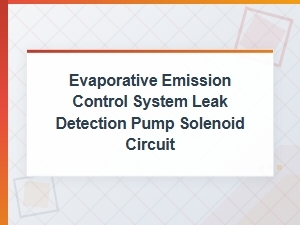 P1495 Code Definition and Explanation
 Code P1495 Vehicle Diagnostic Definition
 Meaning of Code P1495 Explained