Seeing a check engine light pop up is never a good feeling, especially when your scanner pulls OBD2 code P1495. Troubleshooting code P1495 matters because it points directly to an electrical fault in your vehicle's evaporative emission control system. Specifically, it flags an issue with the leak detection pump solenoid circuit. If you ignore this, your car will fail its next smog check, and you might notice a faint smell of raw fuel near the gas tank. Fixing this circuit keeps your car running clean and legal on the road.
What exactly is the leak detection pump?
Your car features a sealed system designed to trap fuel vapors so they do not escape into the atmosphere. The leak detection pump pressurizes this setup to check for tiny holes or a loose gas cap. When you start troubleshooting code P1495, you are usually looking at a wiring or solenoid failure rather than a massive physical leak. Getting a clear picture of how this component operates will help you understand the basic definition of this fault before you start buying replacement parts.
How do you know the EVAP solenoid is actually bad?
A code reader points you to the circuit, but it will not tell you if the pump is dead or if a wire is simply chewed through by a rodent. The most obvious sign is the illuminated dashboard warning. You might also notice typical engine behavior linked to this error, such as a slight hesitation during acceleration or a rough idle at stoplights. Before buying a new pump, grab a multimeter. You need to check the wiring harness leading to the leak detection pump, which is typically located near the fuel tank or charcoal canister. Look for brittle wires, corrosion on the connector pins, or blown fuses in the under-hood fuse box. When logging your multimeter readings or repair notes, using a highly legible typeface like Courier New can make your digital repair manual much easier to read.
Common mistakes people make when fixing this code
The biggest mistake DIY mechanics make is assuming the pump itself is broken. Often, the actual problem is a cracked rubber vacuum line. These lines dry rot over time and lose their seal. If air leaks into the system, the computer assumes the solenoid is failing to hold pressure. Another common error is clearing the code and hoping it stays away. The powertrain control module runs specific drive cycles to test the EVAP system. If the electrical fault remains, the code will return as soon as the monitor runs.
What tools do you need to test the circuit?
To properly test the system, you need a few basic tools. A digital multimeter is essential for checking voltage and ground at the solenoid connector. You will also need a handheld vacuum pump with a gauge to manually test the pump's ability to hold pressure. Make sure you look up how this diagnostic trouble code affects your specific vehicle, as the location of the leak detection pump varies between older Chrysler models and newer Jeep designs.
Practical steps for your next repair session
Follow this sequence to isolate the problem without wasting money on unnecessary parts:
- Inspect the gas cap. Even though P1495 is an electrical code, checking the cap is always step one for EVAP issues.
- Trace the wiring. Follow the harness from the leak detection pump back to the engine computer, looking for chafing or breaks.
- Check the power supply. Test the related fuses and relays in the main power distribution center to ensure the pump is getting power.
- Measure resistance. Test the solenoid resistance with a multimeter and compare the numbers against factory specifications.
- Examine vacuum hoses. Inspect all rubber lines attached to the pump for cracks, splits, or disconnections.
- Perform a bench test. Apply 12 volts directly to the pump terminals to see if the internal valve physically clicks.
 Vehicle Diagnostic Code P1495 Meaning
 What Does Code P1495 Mean
 Engine Error Code P1495 Meaning
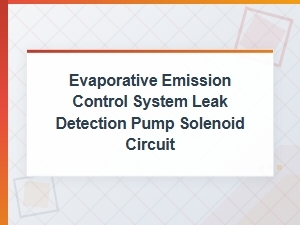 P1495 Code Definition and Explanation
 Code P1495 Vehicle Diagnostic Definition
 Meaning of Code P1495 Explained