Seeing a check engine light is frustrating, especially when an OBD2 scanner points to an obscure evaporative emissions fault. Finding the specific vehicle code P1495 causes helps you pinpoint exactly what went wrong with your car's leak detection pump. This code usually appears on Chrysler, Dodge, and Jeep models, indicating a problem in the electrical circuit controlling the pump. If left alone, your car will likely fail its next emissions test and might even run a bit rougher than usual.
What exactly is the leak detection pump?
Your vehicle has an evaporative emissions (EVAP) system designed to trap fuel vapors so they do not escape into the atmosphere. The leak detection pump (LDP) pressurizes this system and checks for leaks. When the powertrain control module (PCM) sends a signal to the pump and receives an unexpected electrical response, it triggers a warning. You can explore the deeper meaning of this specific fault to see how the circuit interacts with your engine management system.
What are the most common reasons for this error?
The root of the problem almost always traces back to the pump itself or the wires connected to it.
- A faulty leak detection pump: Over time, the internal solenoid can fail or get stuck, preventing the circuit from closing properly.
- Broken or corroded wiring: The electrical harness near the pump gets exposed to road debris, moisture, and extreme heat. A single frayed wire can interrupt the signal.
- Blown fuses: A simple power supply issue can trigger the code before any mechanical failure even happens.
- Clogged EVAP lines: While P1495 is primarily an electrical code, extreme pressure buildup from a blocked hose can sometimes cause the pump to work too hard and burn out the circuit.
- PCM failure: In rare cases, the computer controlling the system might be malfunctioning.
When should you start diagnosing these symptoms?
You need to take action as soon as the check engine light illuminates. Sometimes, you might notice a faint smell of raw fuel near the gas tank or experience a slightly rough idle. Since evaporative emissions faults rarely cause a car to break down on the highway, you have time to diagnose the issue safely. However, ignoring the underlying engine code meaning will eventually lead to a failed state inspection.
What mistakes should you avoid during diagnosis?
Many home mechanics immediately buy a new leak detection pump without testing the wires first. This is a costly error. The code points to a circuit issue, which means the wiring is just as likely to be the culprit as the part itself.
Another common mistake is replacing the powertrain control module right away. Always check for ground connections and voltage supply at the pump connector first. Before throwing parts at the car, it helps to read up on general repair approaches for this specific error to avoid wasting money on unnecessary replacements.
How do you test the circuit and fix the problem?
Start by locating the leak detection pump, which is typically found near the gas tank or inside the engine bay near the charcoal canister.
- Inspect the wiring harness visually. Look for melted insulation, corrosion on the pins, or chew marks from rodents.
- Use a digital multimeter to check for battery voltage at the pump connector with the ignition turned to the ON position.
- If there is power but the pump does not activate when triggered by a scan tool, the pump is defective.
- If there is no power, trace the wiring back to the fuse box and the PCM.
Once you replace the broken component, clear the codes with your OBD2 scanner and drive the vehicle through a complete drive cycle to ensure the light stays off.
Diagnostic Checklist and Next Steps
- Scan the system to confirm P1495 is the only active code.
- Check the fuse box for any blown EVAP-related fuses.
- Inspect the physical wiring harness leading to the leak detection pump.
- Test for battery voltage at the pump connector using a multimeter.
- Replace the pump if power is present but the solenoid fails to actuate.
- Clear the code and drive the car for a few days to verify the repair.
Keeping your garage notes organized is important when chasing electrical gremlins. If you are printing out wiring diagrams or repair logs, using a highly legible typeface like Montserrat makes reading the fine print much easier on the eyes.
 Meaning of Code P1495 Explained
 Code P1495 Vehicle Diagnostic Error Explanation
 P1495 Engine Code Meaning Explained
 P1495 Error Explanation and Details
 Vehicle Diagnostic Code P1495 Meaning
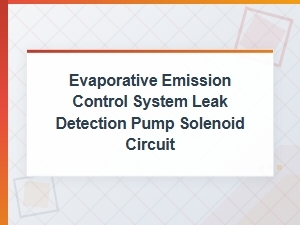 P1495 Code Definition and Explanation