Seeing the check engine light illuminate can be frustrating, especially when your OBD2 scanner displays a P1495 engine code. Understanding the P1495 engine code meaning matters because it directly affects your vehicle's ability to pass state emissions testing. This specific fault points to an electrical issue within the evaporative emission control system, usually involving the leak detection pump. While your car might still drive fine, ignoring it will lead to a failed inspection and potentially mask other underlying electrical problems.
What does a P1495 trouble code indicate?
The P1495 code stands for Leak Detection Pump Solenoid Circuit. In vehicles equipped with a natural vacuum leak detection system, the powertrain control module uses this pump to pressurize the fuel system and check for vapor leaks. When the computer detects an open or shorted circuit in the solenoid that controls this pump, it triggers the warning light. You will mostly see this code in older Chrysler, Dodge, and Jeep models.
Why does the leak detection pump matter?
This component seals the fuel tank and lines to prevent harmful gas vapors from escaping into the atmosphere. If the solenoid circuit fails, the pump cannot pressurize the system. The computer recognizes this lack of voltage or resistance change and stores the code in its memory.
What typically causes this circuit to fail?
Several factors can interrupt the electrical signal to the solenoid. Often, the problem stems from a faulty leak detection pump itself. However, before buying replacement parts, you should inspect the wiring harness for chafing, corrosion, or broken connectors. A blown fuse or a bad ground connection can also trigger the exact same warning. If you want to dig deeper into the specific reasons behind this fault, you can review the primary triggers for this EVAP error to narrow down your suspect list.
How do you properly diagnose the issue?
Proper diagnosis requires more than just reading the code and guessing. Start by checking the fuses related to the evaporative emission system. Next, use a digital multimeter to test the resistance of the leak detection pump solenoid. Compare your readings to the factory specifications found in your repair manual. When printing out wiring diagrams to follow along in the garage, using a highly legible typeface like Roboto makes reading those small circuit numbers much easier under dim lighting. For a step-by-step breakdown of testing the electrical pathways, following a proper vehicle diagnostic routine will save you from throwing unnecessary parts at the car.
What are the most common repair mistakes?
A frequent error is immediately replacing the leak detection pump without testing the wiring first. Mechanics and DIYers alike sometimes overlook a simple corroded pin in the electrical connector. Another mistake is clearing the code and assuming the problem is fixed without performing a drive cycle to verify the repair. To avoid misdiagnosing the system, it helps to look at the complete trouble code details to understand how the computer monitors the circuit during different driving conditions.
Is it safe to drive with a P1495 code?
Yes, you can usually continue driving. This code rarely affects engine performance, fuel economy, or drivability. The main consequence is an illuminated dashboard light and an automatic failure during emissions testing. You should plan to fix it before your next registration renewal.
Next steps for fixing the code
- Verify the exact code with an OBD2 scanner to ensure no other EVAP codes are present.
- Visually inspect the wiring harness and electrical connector leading to the leak detection pump for physical damage or moisture.
- Test the solenoid resistance with a multimeter and compare it against manufacturer specifications.
- Replace the leak detection pump only if the wiring, fuses, and connectors test good.
- Clear the code with your scanner and drive the vehicle through a complete drive cycle to ensure the check engine light stays off.
Quick Tip: Always check your gas cap first. While a loose gas cap typically triggers a different code like P0455, ensuring your fuel system is physically sealed is the easiest first step before diving into electrical testing.
 Meaning of Code P1495 Explained
 Vehicle Code P1495 Causes Explained
 Code P1495 Vehicle Diagnostic Error Explanation
 P1495 Error Explanation and Details
 Vehicle Diagnostic Code P1495 Meaning
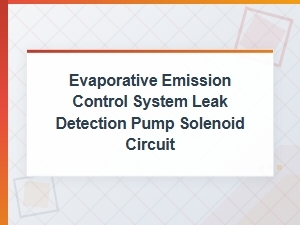 P1495 Code Definition and Explanation