When your check engine light turns on and your OBD2 scanner shows a P1495 engine error, it means your vehicle's evaporative emission control system has an electrical fault. Specifically, this code points to a problem with the leak detection pump solenoid circuit. You might not notice any change in how your car drives or handles, but ignoring this issue will guarantee a failed state emissions inspection. Fixing it promptly keeps your fuel vapor system sealed and your vehicle street-legal.
What exactly does the P1495 trouble code mean?
The evaporative emission control system, often called the EVAP system, prevents raw fuel vapors from escaping into the atmosphere. A core component of this setup in many Chrysler, Dodge, and Jeep vehicles is the leak detection pump. This pump pressurizes the fuel system so the computer can check for leaks. The solenoid acts as the electrical switch that controls the pump. When the powertrain control module detects an open or shorted circuit in this solenoid, it triggers the code. If you want a deeper breakdown of the manufacturer-specific triggers, understanding the specific definition of this EVAP fault can help you pinpoint the exact failing component.
What are the common symptoms of a bad leak detection pump?
Unlike a misfire or a bad oxygen sensor, a P1495 engine error rarely affects drivability. The engine will usually run fine. However, you will notice a few specific signs that something is wrong with the emissions system:
- Illuminated check engine light: This is often the only warning you get.
- Failed emissions test: The testing equipment will not be able to communicate with or pressurize the EVAP system.
- Stored EVAP codes: You might also see related codes like P0440 or P0456 alongside the main fault.
How do mechanics diagnose this EVAP system issue?
Diagnosing this problem requires a systematic approach to electrical testing. Mechanics start by using a scan tool to check the status of the leak detection pump. They will look at the wiring harness running from the computer to the pump, which is usually mounted near the fuel tank or charcoal canister. Corrosion, broken wires, or a blown fuse are frequent culprits. Before replacing any parts, running a full vehicle diagnostic ensures you are actually dealing with a failed pump and not just a corroded connector.
What mistakes should you avoid when fixing this code?
One of the biggest mistakes car owners make is assuming this code means they need a new gas cap. A loose gas cap triggers different EVAP codes, not a solenoid circuit code. Another common error is throwing parts at the car without testing electrical continuity. You need to use a digital multimeter to verify the solenoid has the correct resistance. Keeping accurate records of your electrical tests prevents repeat mistakes. If you type up a digital garage manual, using a clean typeface like Roboto makes those repair logs much easier to read later.
How can you fix the leak detection pump solenoid circuit?
The repair depends entirely on what your electrical tests reveal. If the wiring is damaged, you will need to splice in new wires and seal the connections with heat shrink tubing. If the multimeter shows the solenoid is completely open or shorted internally, the entire leak detection pump assembly must be replaced. After installing the new component, you must clear the code with a scanner and complete a specific drive cycle so the computer can run its self-tests. For a complete walkthrough on replacing the pump and clearing the system, following a step-by-step repair solution will save you time under the car.
Practical next steps for clearing the error
If you have a P1495 engine error right now, take these immediate actions to get your car back to normal:
- Check the fuse box for any blown fuses related to the EVAP or emissions system.
- Locate the leak detection pump under the vehicle and inspect the wiring plug for green corrosion or loose pins.
- Use a multimeter to test the solenoid pins for proper resistance according to your factory service manual.
- Repair any broken wires or replace the pump assembly if the internal circuit has failed.
- Clear the code using an OBD2 scanner and drive the car for a few days to ensure the check engine light stays off.
 Code P1495 Check Engine Light Details
 Code P1495 Repair Solution Details
 Code P1495 Vehicle Diagnostic Details
 Code P1495 Car Trouble Details
 Vehicle Diagnostic Code P1495 Meaning
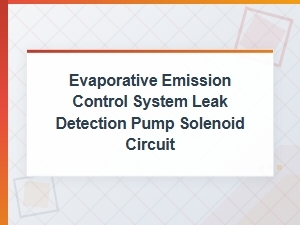 P1495 Code Definition and Explanation