Seeing a check engine light pop up on your dashboard is never a great feeling, especially when an OBD2 scanner reads a code P1495 car trouble light. This specific diagnostic trouble code points directly to a problem within your vehicle's evaporative emission control (EVAP) system. Specifically, it highlights an electrical issue with the leak detection pump solenoid circuit. Ignoring this light means your car will likely fail its next state emissions test and could be masking an underlying wiring fault that might cause other electrical gremlins down the road.
What exactly is the P1495 code telling you?
The P1495 code means the powertrain control module (PCM) has detected an abnormal voltage or resistance in the leak detection pump (LDP) solenoid circuit. The LDP is a standard part in many Chrysler, Dodge, and Jeep vehicles. It pressurizes the EVAP system to check for fuel vapor leaks when the engine is off. When you are trying to figure out why the system failed its self-test, understanding the specific EVAP parameters is your first step. If the PCM cannot properly ground or supply voltage to the solenoid, it triggers the code P1495 car trouble light to warn you of the failure.
Why did this code appear on my scanner?
Several different issues can cause the PCM to set this code. It is rarely just a random computer glitch.
- Failed leak detection pump: The internal solenoid inside the LDP can burn out or stick, preventing it from sealing or opening correctly.
- Damaged wiring or connectors: The wires leading to the LDP run under the vehicle and are exposed to road debris, water, and winter salt. Corrosion or a broken wire will interrupt the signal.
- Blown fuse: A simple blown fuse in the under-hood fuse box can cut power to the entire EVAP monitoring circuit.
- Vacuum line issues: While P1495 is primarily an electrical code, severe vacuum leaks can sometimes cause the LDP to behave erratically. Learning exactly how the leak detection pump operates will help you separate electrical faults from physical vacuum leaks.
What are the common symptoms besides the dashboard light?
Unlike a cylinder misfire or a bad oxygen sensor, the code P1495 car trouble light usually does not cause noticeable drivability issues. Your car will likely start, idle, and drive normally. The primary symptom is the illuminated check engine light. You might also notice a faint smell of raw fuel near the rear of the vehicle if a related EVAP hose has cracked, though this is more common with other EVAP codes. The biggest consequence is simply failing your smog check and being unable to renew your vehicle registration.
What mistakes do people make when fixing this?
The most frequent mistake is throwing parts at the car without testing. Many vehicle owners see an EVAP code and immediately buy a new gas cap. A loose gas cap will not trigger a P1495 code. Another common error is replacing the leak detection pump without checking the wiring first. You must spend time troubleshooting the electrical circuit before spending money on new components. If you find broken wires, splicing them properly and protecting them from moisture is essential. When printing out factory wiring diagrams to trace the LDP circuit, use a highly legible typeface like Montserrat so you can easily read the small pin numbers and wire color codes in your garage.
How do you test and fix the P1495 code?
Start with a visual inspection. Look under the car near the fuel tank or charcoal canister for the leak detection pump. Check the wiring harness for chew marks from rodents, melted insulation, or green corrosion on the connector pins. Next, use a digital multimeter to check for power and ground at the LDP connector with the key in the "on" position. If power is present but the pump does not activate when commanded by a bidirectional scan tool, the pump itself is likely dead and needs replacement. Clear the code after your repair and drive the vehicle through a full drive cycle to ensure the monitor runs and passes.
Practical next steps and checklist
Before taking your car to a mechanic, run through this quick checklist to narrow down the problem:
- Scan the vehicle to confirm P1495 is the only code present.
- Check the EVAP and PCM fuses in the engine bay fuse box.
- Inspect the wiring harness leading to the leak detection pump for physical damage.
- Test the solenoid resistance with a multimeter to see if it falls within factory specifications.
- Clear the code and complete an OBD2 drive cycle to verify the repair.
If you cannot find any damaged wires or blown fuses, replacing the leak detection pump is usually the final fix. Always disconnect the negative battery terminal before working on the electrical connectors to avoid accidentally shorting out the PCM.
 What Does Code P1495 Mean
 Vehicle Diagnostic Code P1495 Meaning
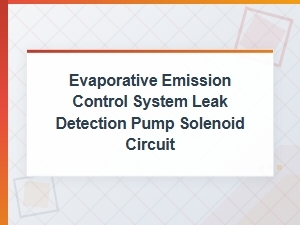 P1495 Code Definition and Explanation
 What Does Code P1495 Mean
 Code P1495 Vehicle Diagnostic Definition
 Meaning of Code P1495 Explained